


WORDS BY ERICA NEWTON, MYFIRSTGYM CO-FOUNDER
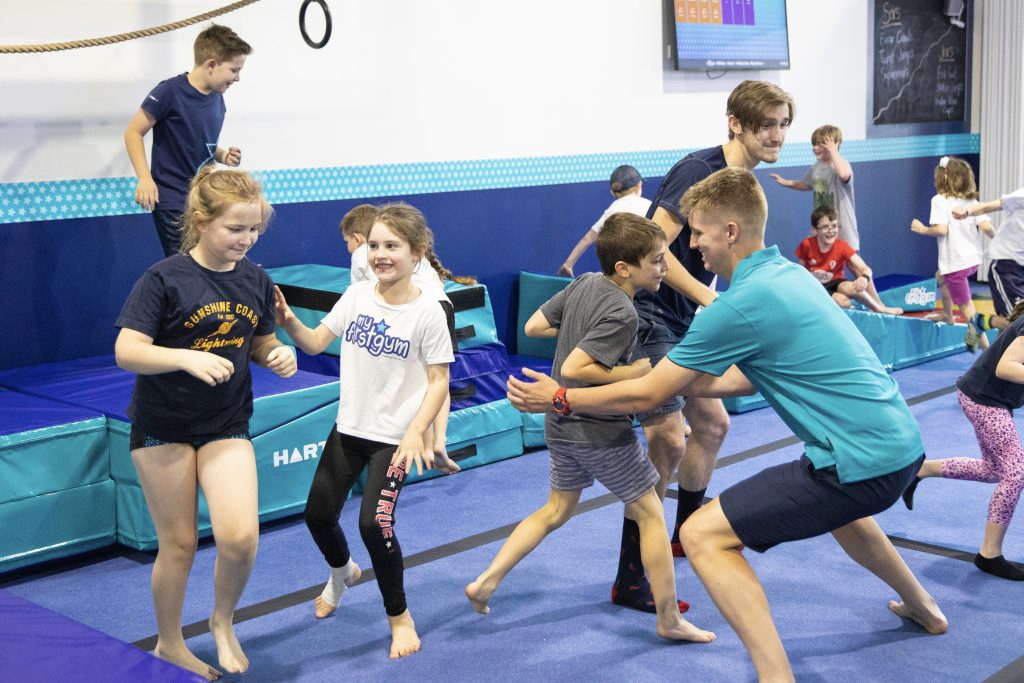
At MyFirstGym, we’ve been putting the principles of physical literacy into practice since day one. Helping children develop not just physical skills, but confidence, motivation and enjoyment in movement have always been at the forefront of everything we do… so it’s always awesome when you get a BIG indicator that you’re on the right track. Recently, the Australian Sports Commission launched its Physical Literacy Framework, a national priority which supports “the development of physical literacy in all people throughout their lifetime… building the skills, knowledge and behaviours to lead active lives.”
In a surprise to no one, MyFirstGym’s approach is very closely aligned with the Framework. Through our variety of classes, expert coaches and emphasis on fun, we’re literally helping build the foundations of physical literacy from the earliest stages of movement. It might sound like something destined for a school report card, but physical literacy is important for every parent to understand.
What is Physical Literacy?
Just like literacy gives us the skills and language to read and write, physical literacy equips us with the skills, confidence and motivation to move our bodies well and regularly.
The Australian Sports Commission identifies four interconnected areas:
- Physical: Strength, balance, coordination and movement skills.
- Psychological: Confidence, motivation and enjoyment.
- Social: Cooperation, communication and working with others.
- Cognitive: Problem-solving, decision-making and understanding movement.
Think back to our previous article about riding to school. Even this seemingly simple task involves a bunch of physical literacy skills.
- Balance, coordination and strength.
- Developing confidence whilst managing fear and frustration.
- Learning basic safety rules.
- Judging distances.
- Perseverance and the enjoyment that comes from conquering a challenge.
That last one is gold: when our kids finally pedal away unassisted, they’ve achieved something that goes well beyond the physical activity itself.
The Australian Sports Commission and Physical Literacy.
The Australian Sports Commission is advancing physical literacy through its ‘Physical Literacy Coalition Action Plan 2025-2027’.’. They reckon that “Everyone has the potential to value, develop and maintain positive physical activity behaviours for life.” …just like we’ve been saying at MyFirstGym for years. (Dang! I knew we should have put it into a fancy Framework 😉)
Put simply, the Physical Literacy Framework helps guide us all to lifelong movement through a “shared vision, common language, and consistent understanding about physical literacy to support all Australians to develop their physical literacy, at every stage of life.”
The important thing to note here is that being active and being physically literate aren’t necessarily the same thing. A soccer player might struggle in the swimming pool. A talented dancer might find catching a ball difficult. A pre-teen navigate the neighbourhood on their bike for hours but can’t find their way with a bag of rubbish to the wheelie bin… Different activities require different skills, and it’s up to us to give our kids the chance to explore them all (especially taking out the rubbish). Obviously, this is where MyFirstGym has the competitive edge.
It’s Not Always About Winning the U8s Basketball Comp.
The principles contained within the Physical Literacy Framework were woven into the fabric of MyFirstGym before we even opened our first gym in Hawthorne, 2017. We have always been about inspiring movement in every child who walks through the door, regardless of their fitness or skill levels. MyFirstGym has never been about solely creating Hawthorne’s next U8 champions or an Olympic medal winner (though we’re always trying ha ha).
Most children won’t become professional athletes and that is TOTALLY FINE! But as parents, we all want our children to be happy, healthy and confident within themselves. Having a strong grip on physical literacy (and the monkey bars) will go a long way to doing that.
How does MFG Fit Into the Framework?
We’ve consulted paediatricians, physiotherapists and specialist coaches to develop a range of classes which build on physical literacy from as early as 7 months old. We’re experts in inspiring movement and making it fun!
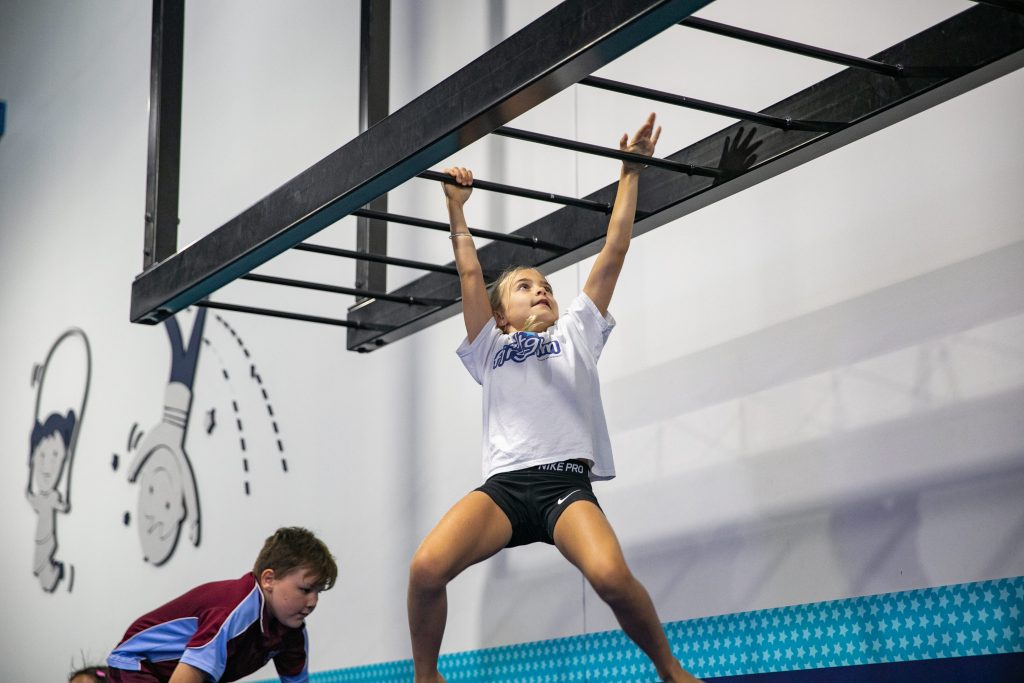
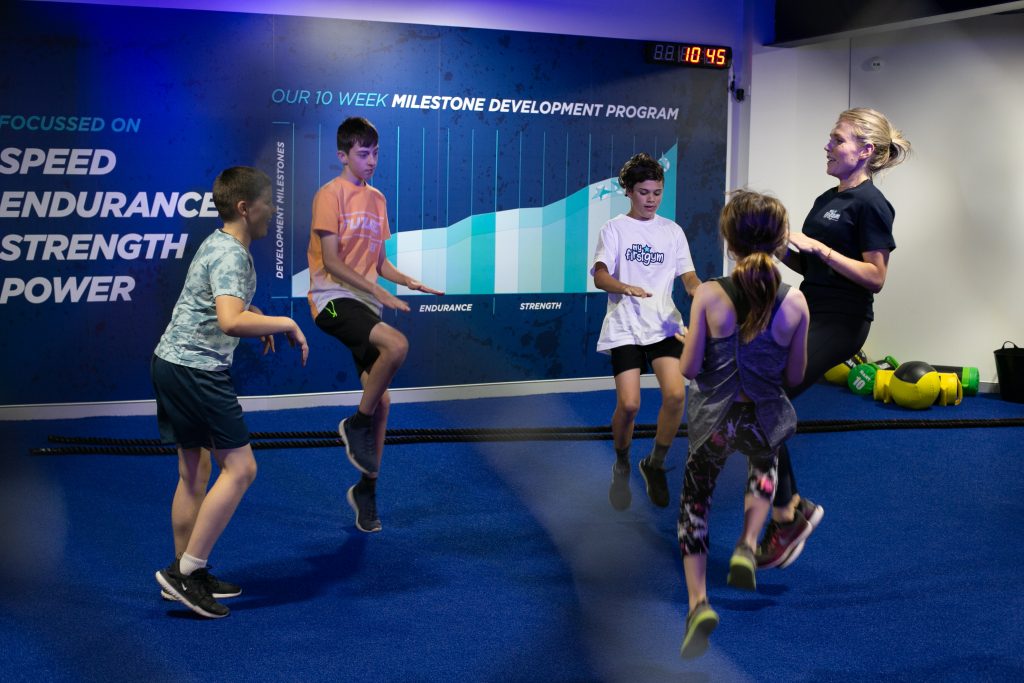
Our Baby Explorers class gently develops motor development, spatial awareness, balance and strength. Dingo Pups take that pre-school energy and hone it into skills for life: group activities, balance on a beam, throw balls and run with confidence. Ninja Warrior is both fun and intense for our older kids, as leaping, diving, and swinging to move from one obstacle to the next improves cardiovascular fitness. Our Yoga classes teach stretching and strengthening techniques, with an emphasis on mindfulness so children can learn to be calm and regulate emotions. Then there’s MFGFit, designed to improve speed, endurance, power, agility and strength as complementary training to other sports.
What matters most is that our kids grow into adults who feel confident being active, enjoy trying something unfamiliar and understand the benefits of movement. Real achievement isn’t raising a child who’s brilliant at one sport. It’s raising someone who wants to move for life.
Check out your nearest MyFirstGym branch here and see just how well we get your child moving!